
Kimera
Via Basse di Chiusano, 8, Cuneo
Specializations
Gallery
Description
Kimera Automobili is an Italian company specialized in high-performance restomods inspired by the great rally culture of the 1980s. Based in Cuneo, at Via Basse di Chiusano 8, the company is led by Luca Betti and develops exclusive cars such as Kimera EVO37, Kimera EVO38 and Kimera K39, combining analog mechanics, Italian design, modern components, limited production and a strong motorsport identity.
The Italian restomod born from rally culture
Kimera Automobili was created around a very clear vision: to bring the appeal of the great Italian rally cars of the 1980s into a contemporary dimension, without turning them into simple nostalgic exercises. The project starts from icons born for competition and reinterprets them with modern materials, advanced technical solutions and a level of construction worthy of an exclusive car.
The Kimera name is linked to an idea of dream, identity and contamination between different worlds. In the brand’s cars, past and present, craftsmanship and engineering, rally memory and modern performance coexist. This combination places Kimera among the most interesting names in the international world of high-end restomods.
Luca Betti and the Kimera vision
The Kimera project is closely linked to Luca Betti, the driver and founder of the brand. His experience in motorsport is a central part of the company’s identity: Kimera cars are not created only to be admired, but to maintain a direct relationship with driving, mechanics and the culture of competition cars.
This approach distinguishes Kimera from a conventional tuner. The work is not limited to adding power or aftermarket components, but builds complete cars developed around a precise philosophy: respecting the soul of the cars that inspired them and bringing it to a higher technical, aesthetic and performance level.
Kimera EVO37
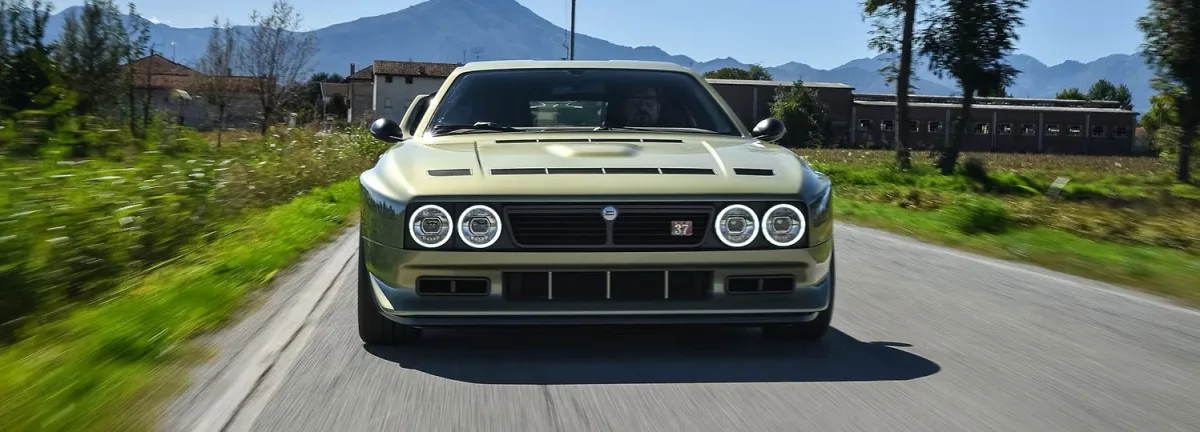
The Kimera EVO37 is the model that brought the brand to international attention. It is a modern reinterpretation of the philosophy of mid-engined rally cars from the 1980s, built with an approach that combines design, mechanics, craftsmanship and analog driving pleasure.
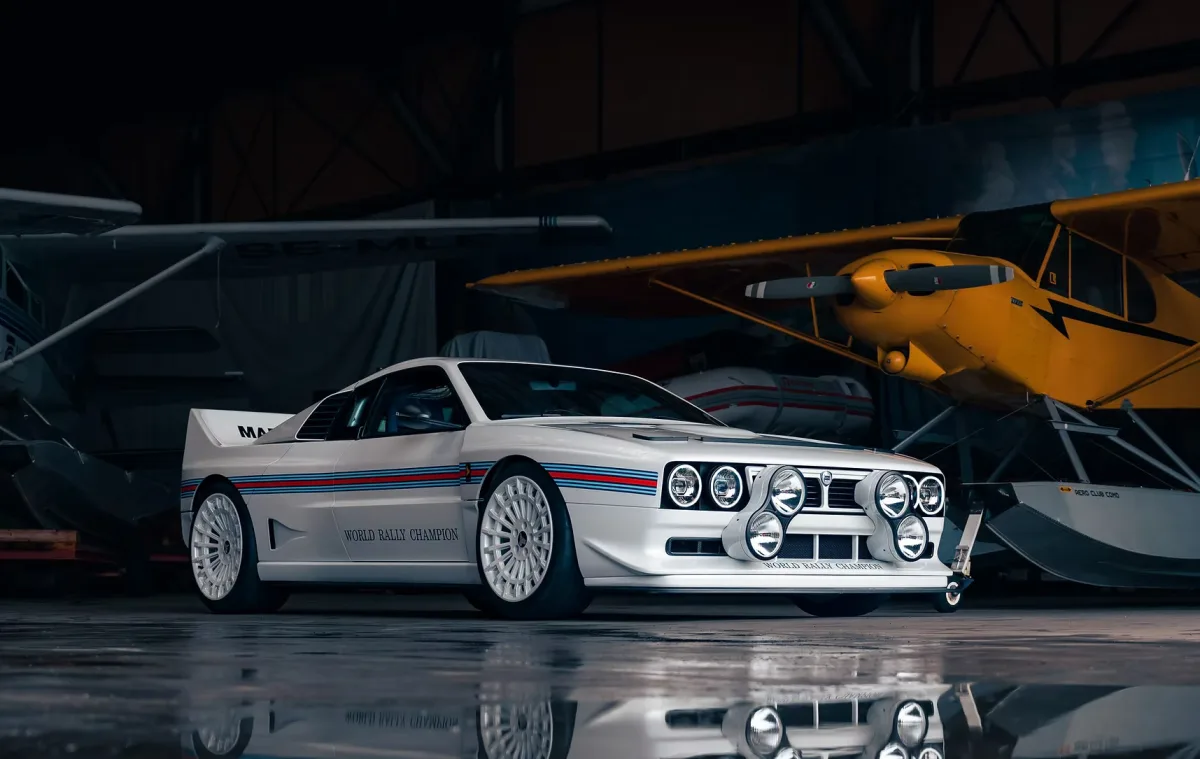
The EVO37 maintains a strong connection with the imagery of the Lancia Rally 037, but it does not simply replicate its shapes. The bodywork is reinterpreted, the proportions become more muscular, the materials are modern and every detail is developed to create a car that is recognizable, coherent and deeply connected to rally tradition.
Twincharged engine, rear-wheel drive and manual gearbox
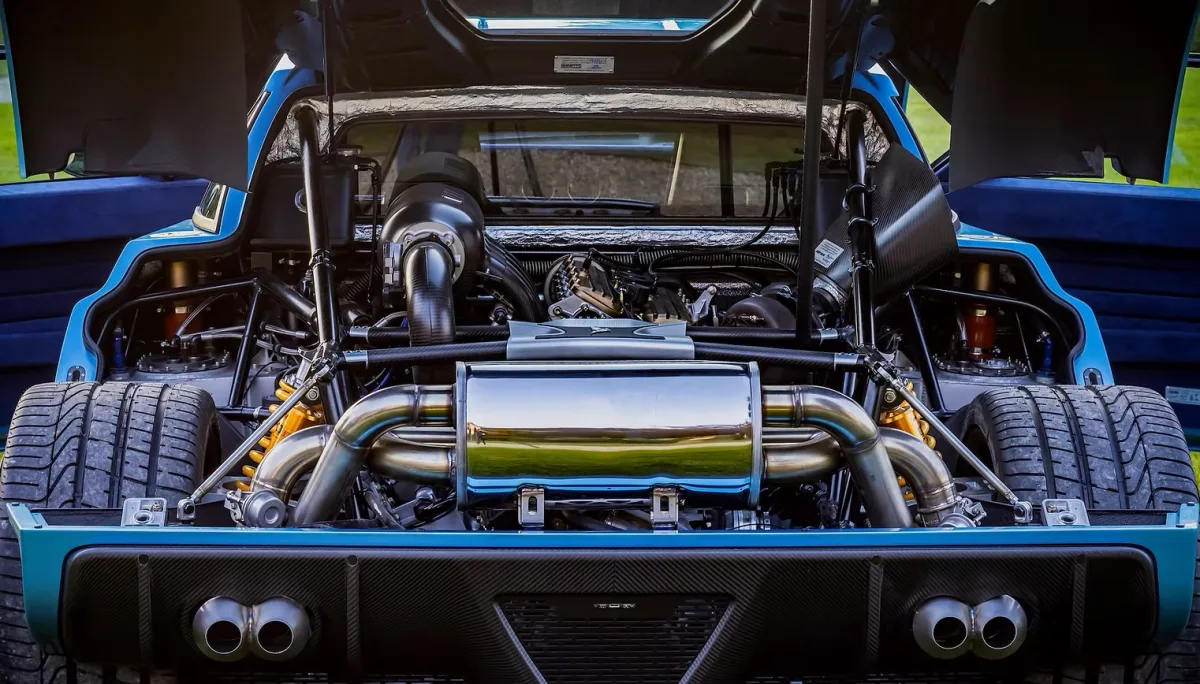
The Kimera EVO37 uses a four-cylinder engine with combined forced induction, meaning both a supercharger and a turbocharger. The official technical sheet indicates 505 hp and a maximum torque of 550 Nm.
The choice of rear-wheel drive and a 6-speed manual gearbox is fundamental to the car’s identity. The EVO37 is not meant to be a filtered and distant sports car, but a physical, direct and mechanical machine designed for those seeking an intense and engaging driving experience.
Design, carbon fiber and limited production
The bodywork and components of the EVO37 are developed with extensive use of modern materials. Carbon fiber makes it possible to reinterpret the historic shapes with a more contemporary construction, reducing weight and increasing the perceived quality of the project.
Limited production is an integral part of the Kimera philosophy. Each car is built as a rare, personalized object intended for customers looking for something different from a production sports car. Its value lies not only in performance, but in the combination of history, engineering, identity and uniqueness.
Kimera EVO38
The Kimera EVO38 represents the next evolution of the Kimera philosophy. The project takes the EVO37 concept in an even more technical direction, with greater power, more advanced dynamics and a configuration inspired by the idea of the “final evolution”.
The official specification lists the EVO38 with 600 hp and a maximum torque of 580 Nm. Compared with the EVO37, the most important step concerns the drivetrain: the EVO38 adopts all-wheel drive, bringing the project closer to the imagery of the great four-wheel-drive rally cars.
All-wheel drive as an evolution of the project
The choice of all-wheel drive in the EVO38 is not a secondary detail. In rallying, the transition from rear-wheel drive to all-wheel drive marked a fundamental technical turning point, changing the way cars deployed power, handled difficult surfaces and approached driving at the limit.
In this sense, the EVO38 can be read as a natural extension of the Kimera vision: not just a more powerful version of the EVO37, but a more extreme, more evolved reinterpretation closer to the highest technical expression of rally cars derived from that tradition.
Kimera K39
The Kimera K39 represents a new chapter for the brand. The project is inspired by the world of silhouette competition cars and takes Kimera beyond the classic restomod concept, pushing the brand’s language towards an even more aerodynamic, track-oriented and performance-driven dimension.
The K39 is presented by Kimera as a car in which every surface interacts with the air. The project was created with strong attention to aerodynamic function: volumes, air intakes, surfaces and appendages are not only aesthetic elements, but parts of a design conceived for performance.
Pikes Peak and the return to motorsport
With the K39, Kimera openly declares its connection with motorsport. The project also includes a configuration dedicated to Pikes Peak, one of the most famous and difficult hill climb competitions in the world.
This step is important because it confirms the direction of the brand: Kimera does not use motorsport only as aesthetic inspiration, but as a natural territory in which to measure its solutions. The K39 takes the rally and silhouette language into a more extreme, contemporary and competition-oriented form.
Analog mechanics and modern technology
One of the most interesting aspects of Kimera cars is the balance between analog mechanics and modern technology. The brand works on cars that maintain a direct relationship with the driver, while using contemporary materials, components and technical solutions to improve performance, safety, quality and reliability.
This philosophy is central to the world of high-end restomods. The goal is not to erase the character of historic cars, but to make it more usable, more precise and more consistent with current standards, without losing the emotional and mechanical side that makes them special.
Craftsmanship, personalization and tailor-made construction
Kimera cars are built with a strong handcrafted component. Each project can be configured around the customer’s requests, working on colors, materials, finishes, interior details and the overall setup of the car.
Personalization is not treated as a simple aesthetic exercise. In a Kimera, interiors, bodywork, mechanics, chassis setup and visual identity must work together to build a coherent object. The result is a car that belongs to a limited series while maintaining a strong individual component.
A bridge between Lancia, rally and contemporary restomods
Kimera Automobili occupies a particular position because it works on a very powerful imagery: Lancia rally cars, Group B machines, pure mechanics and cars born to race. This heritage is reinterpreted without turning it into a static copy of the past.
The strength of the brand lies in its ability to transform a historic reference into a contemporary product. EVO37, EVO38 and K39 show three different levels of the same philosophy: homage, evolution and projection towards modern motorsport.
An Italian benchmark in the restomod world
Kimera Automobili is now one of the most recognizable Italian names in the field of high-performance restomods. Its identity comes from rallying, Luca Betti’s passion and a vision that brings together historical memory, technology, design and tailor-made construction.
For those who follow modified cars, Lancia rally cars, handcrafted projects and exclusive vehicles, Kimera is a key name: a company capable of transforming the past into a modern, rare, powerful and deeply Italian object.